November 25, 2026
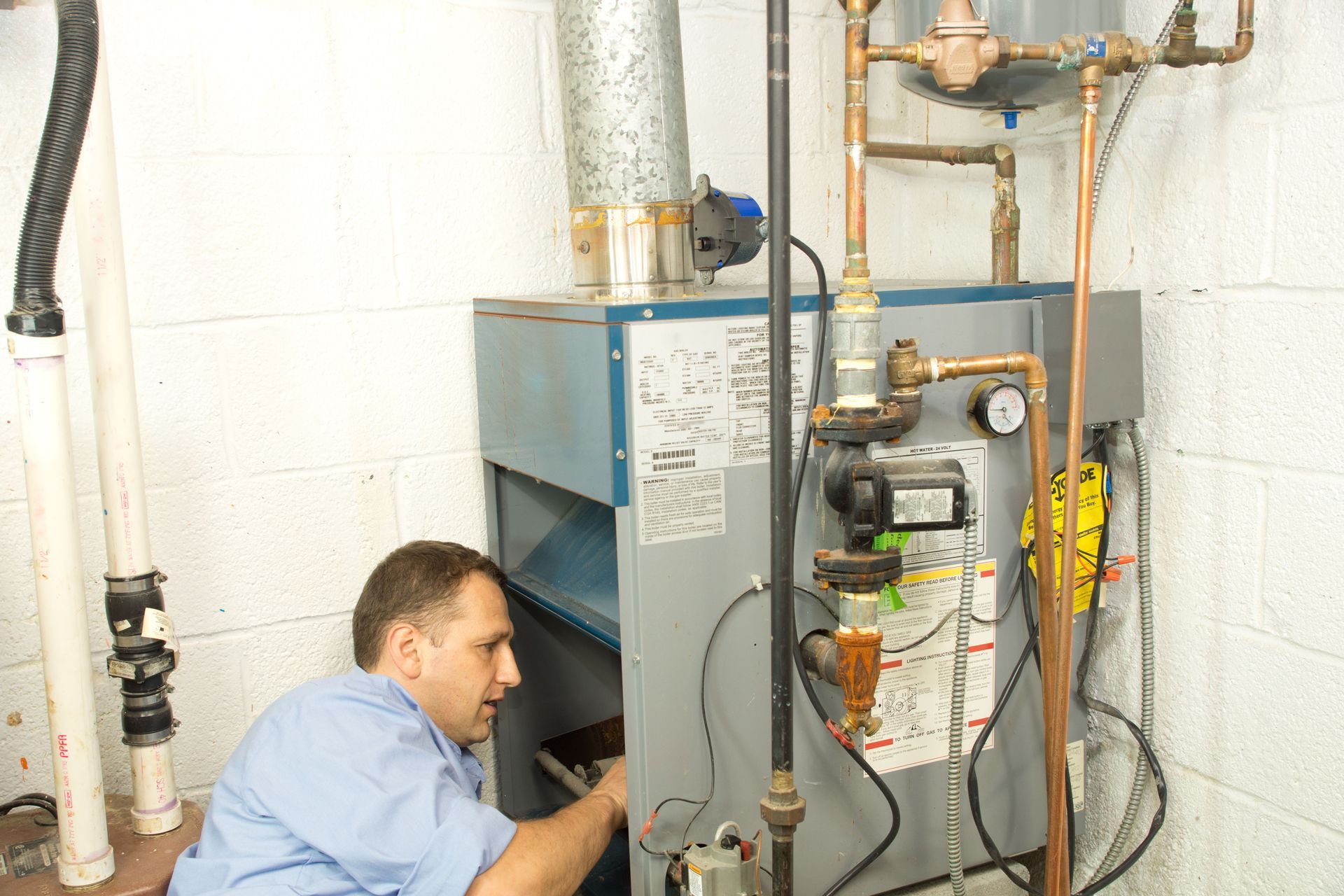
Keeping a residential heating system running at peak performance requires consistent attention to mechanical wear, airflow obstructions, and calibration drift. When heating equipment struggles to warm a living space, monthly utility expenses climb while indoor comfort drops. Scheduling prompt furnace repair services addresses underlying component failures before they force the unit to consume excess fuel or electricity. Professional technicians inspect, clean, and restore worn parts so the heating system delivers steady warmth throughout the winter months.
Restoring Proper Airflow and Ventilation
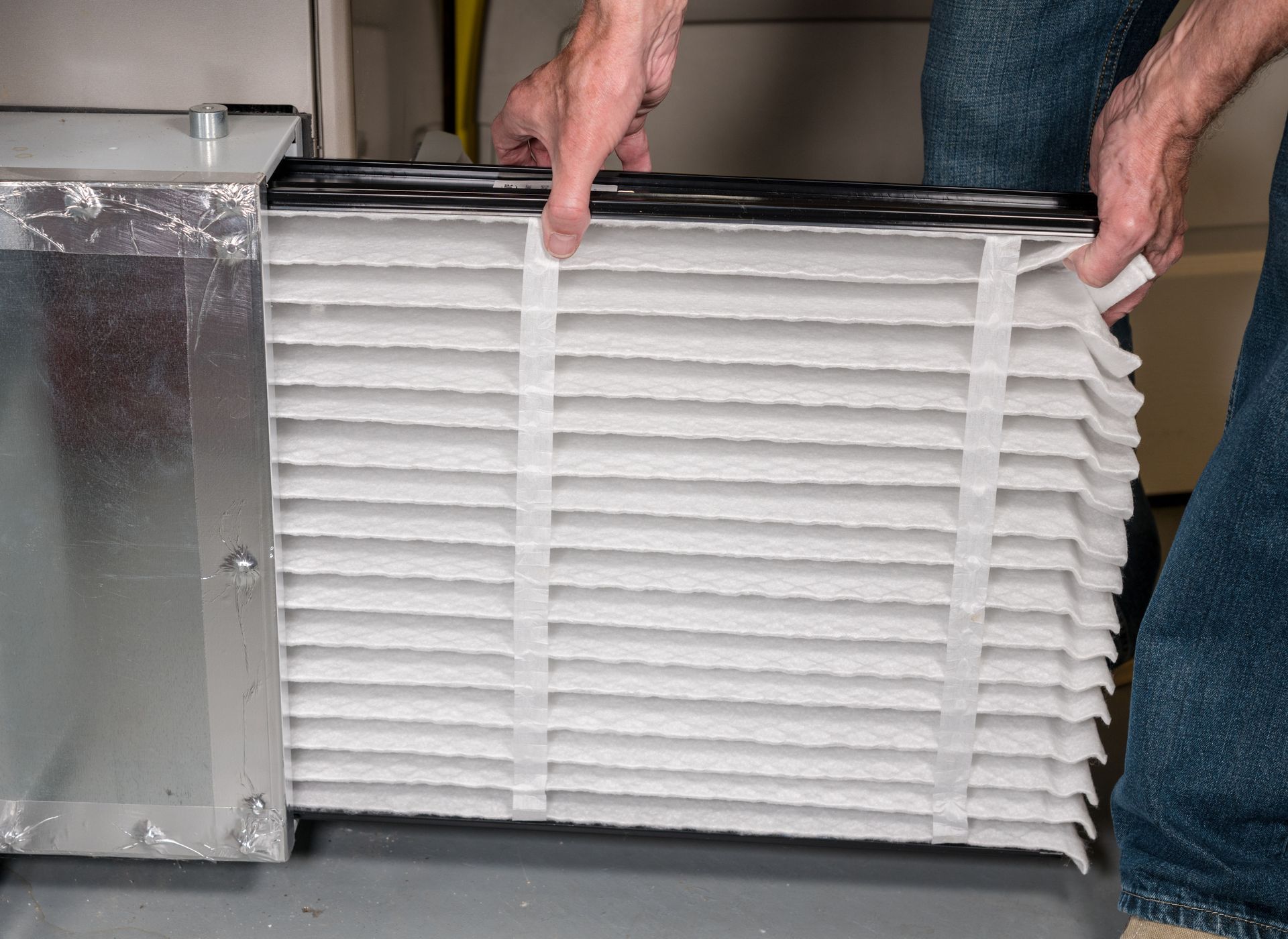
Restricted airflow is one of the primary culprits behind declining furnace efficiency. When dust, pet dander, and household debris accumulate inside the blower compartment or ductwork, the motor must work substantially harder to push heated air through the vents. Over time, this added strain causes the heat exchanger to overheat, triggering safety limit switches that shut the burner down prematurely in a process known as short cycling. Short cycling not only leaves rooms unevenly heated, but it also forces the ignition system to fire repeatedly, burning extra fuel during every startup sequence.
During professional furnace repair services, technicians thoroughly evaluate the entire air distribution pathway to eliminate hidden bottlenecks. Rather than attempting hazardous internal adjustments on your own, relying on trained technicians protects both the equipment and your household. Key airflow adjustments include:
- Inspecting and replacing clogged air filters with the proper MERV rating for your specific unit
- Cleaning dust buildup from blower wheels, motor housings, and internal cabinet panels
- Checking return air grilles and supply registers for blockages, furniture obstructions, or closed dampers
- Examining accessible ductwork connections for loose seams that allow conditioned air to escape into unheated spaces
Calibrating Thermostats and Ignition Components
Even a mechanically sound furnace loses efficiency if its control systems send inaccurate signals. A miscalibrated thermostat can cause the furnace to run longer than necessary or fail to reach the set temperature, wasting energy during every heating cycle. Similarly, dirty flame sensors, worn hot surface igniters, and faulty gas valves disrupt the combustion process, leading to delayed ignition or incomplete fuel burn. When fuel fails to ignite immediately, unburned gas can accumulate briefly inside the chamber, creating rough startups that stress internal components and waste energy.
According to the Department of Energy, high-efficiency heating systems should achieve an annual fuel utilization efficiency (AFUE) rating between 90% and 98.5%. Reaching that performance threshold requires precise fuel-to-air ratios and responsive electronic controls. Qualified technicians use specialized diagnostic gauges to test manifold gas pressure, verify electrical continuity, and calibrate thermostat sensors so every unit of fuel converts directly into usable household heat. Replacing a weakened igniter or cleaning an oxidized flame sensor restores crisp, reliable startup cycles that keep energy consumption low.
Addressing Mechanical Wear Before Major Breakdowns
Furnaces contain dozens of moving parts that experience friction, thermal expansion, and vibration every time the heat kicks on. Worn blower belts, failing motor bearings, and cracked draft inducer housings gradually reduce operational output long before the system stops working entirely. Ignoring subtle warning signs—such as rattling cabinets, squealing bearings, or uneven temperatures across different rooms—allows minor mechanical friction to escalate into costly component failures.
Investing in timely furnace repair services resolves these mechanical vulnerabilities early in the heating season. Technicians follow a systematic diagnostic sequence to protect moving assemblies:
- Testing capacitor microfarad readings to verify that blower and inducer motors receive adequate starting torque
- Lubricating accessible motor bearings and checking belt tension to minimize rotational drag
- Inspecting the heat exchanger for stress cracks or corrosion that compromise combustion safety and thermal transfer
- Tightening electrical terminals and inspecting wiring harnesses to prevent voltage drops and intermittent power loss
Improving Combustion Efficiency and Heat Transfer
Over months of continuous operation, soot, scale, and carbon deposits settle onto burner assemblies and heat exchanger surfaces. Because soot acts as an insulator, even a thin layer prevents heat from transferring efficiently from the combustion chamber into the surrounding air stream. As a result, more heat escapes up the exhaust flue instead of warming your home, forcing the furnace to run extended cycles just to maintain basic indoor comfort.
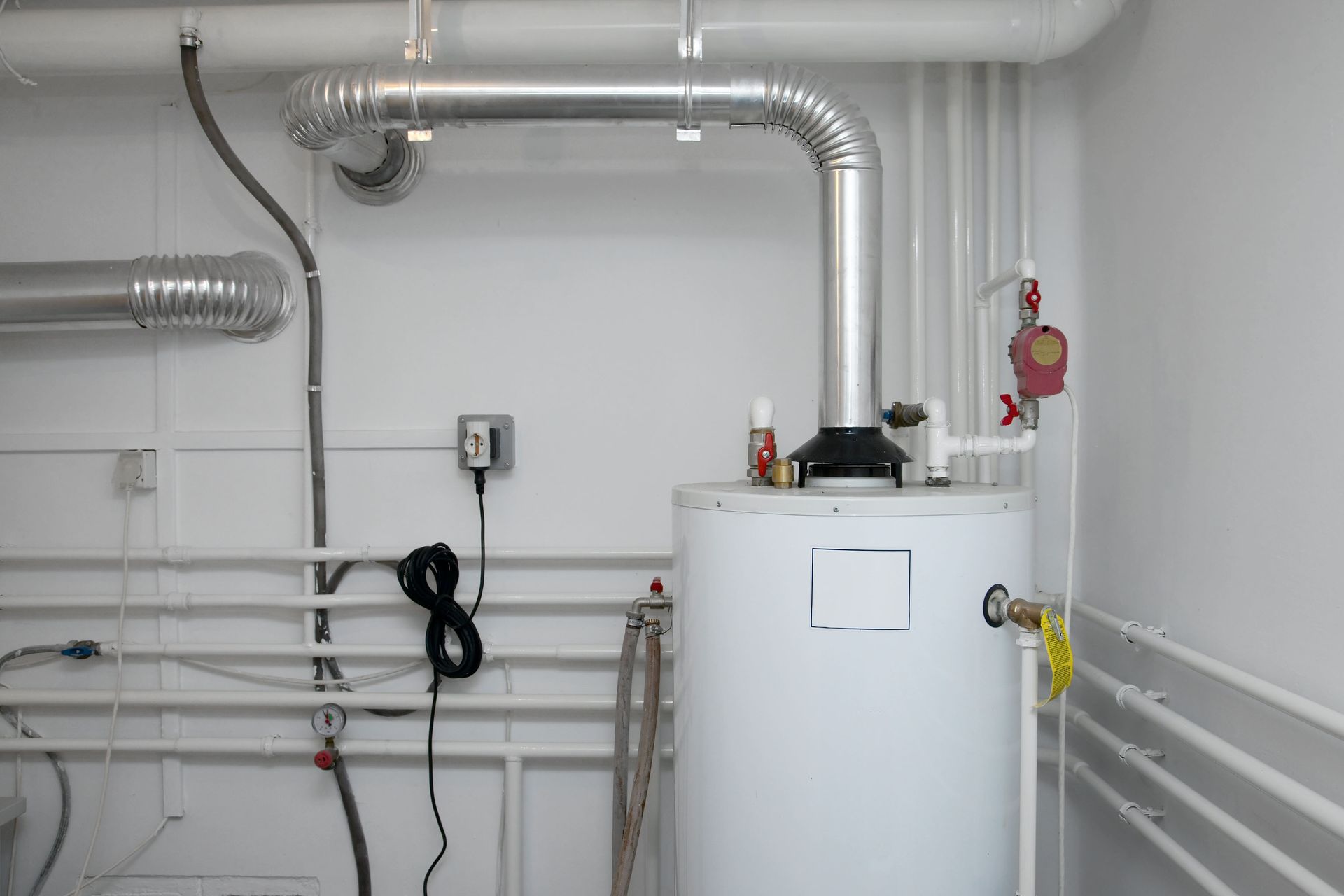
Routine furnace repair services and seasonal maintenance agreements restore clean combustion and maximize thermal transfer. Technicians carefully remove burner manifolds to clear clogged gas ports, verify proper blue flame color, and inspect exhaust flues for obstructions or condensation leaks. High-efficiency condensing furnaces also rely on clear condensate drain lines and clean secondary heat exchangers to capture latent heat from exhaust gases. For homeowners in Allegheny and Westmoreland Counties who also utilize heat pumps, ductless mini-splits, or geothermal heating systems, keeping every heating component clean and properly tuned prevents unnecessary energy waste during extreme cold snaps.
Safeguarding Indoor Air Quality and Safety Controls
Heating efficiency is closely tied to clean internal components and properly functioning safety switches. When dust and debris bake onto a dirty heat exchanger, the furnace circulates airborne irritants throughout every room while struggling to distribute heat evenly. Simultaneously, blocked intake vents or faulty pressure switches can disrupt draft induction, causing the furnace to lock out or operate below its rated capacity.
Professional technicians verify every safety interlock during a service visit to keep the system operating smoothly and safely. Modern furnaces rely on limit switches, rollout switches, and pressure sensors to monitor internal temperatures and exhaust flow continuously. If a sensor drifts out of tolerance or accumulates dust, it can trigger false shutdowns that interrupt heating cycles and strain electrical relays. Cleaning sensor ports, testing flue draft pressures, and verifying carbon monoxide safety thresholds protect your household while keeping the furnace running at steady efficiency.
Extending Equipment Lifespan and Lowering Utility Bills
A furnace that operates under constant mechanical stress experiences accelerated wear on its most expensive assemblies, including the primary heat exchanger and variable-speed blower motor. By scheduling professional furnace repair services at the first sign of reduced performance, homeowners protect their long-term equipment investment and avoid premature system replacement. Well-maintained heating systems consume less fuel per cycle, maintain consistent indoor humidity levels, and operate quietly throughout the night.
Additionally, addressing minor performance dips promptly helps prevent sudden mid-season failures when repair demand is highest and indoor temperatures drop rapidly. When every internal component works in harmony, your heating equipment reaches its target thermostat setting faster and shuts off cleanly without lingering energy draw. Over the course of an entire heating season, these incremental efficiency gains translate into noticeably lower monthly gas and electric bills while reducing unnecessary strain on your household budget.
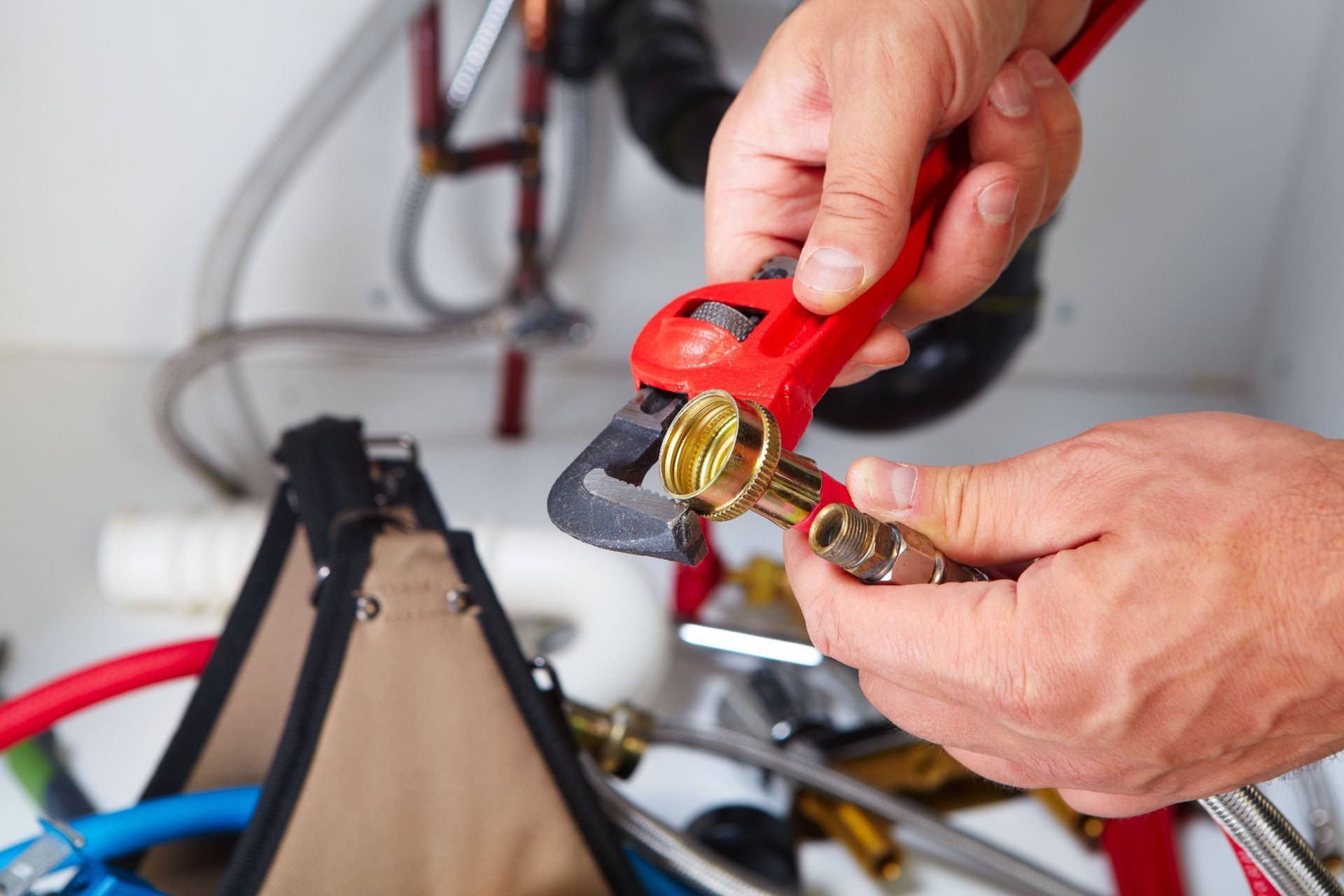
Because modern gas and electric furnaces integrate high-voltage wiring, pressurized gas lines, and sensitive electronic control boards, professional diagnostics are vital for safe operation. Attempting to service internal burners or electrical relays without proper training and testing instruments poses serious safety risks, including carbon monoxide exposure, gas leaks, and electrical shock. Trained technicians arrive equipped with manufacturer-approved replacement parts and diagnostic tools to restore safe, reliable performance on the first visit.
Preparing Your Heating System for Peak Winter Demand
Proactive care before freezing temperatures arrive keeps your household comfortable and prevents unexpected mid-winter emergencies. Scheduling comprehensive furnace repair services alongside annual preventative maintenance allows technicians to catch worn igniters, weak capacitors, and airflow restrictions while weather conditions are still mild. Taking action early gives you predictable heating costs, dependable indoor warmth, and peace of mind all winter long. Contact Level Green Plumbing & Heating, LLC today to schedule your heating inspection and keep your home warm and efficient all season long.