November 19, 2026
A comfortable home should not depend on constantly adjusting the thermostat or moving from one warm room to another. When a furnace struggles to produce or distribute heat, winter routines become less comfortable, and energy use can rise. Regular maintenance and timely furnace repair help address problems before they interrupt everyday life. Understanding how your heating equipment works also makes it easier to recognize warning signs and decide when professional service is necessary.
How Your Furnace Produces and Distributes Heat
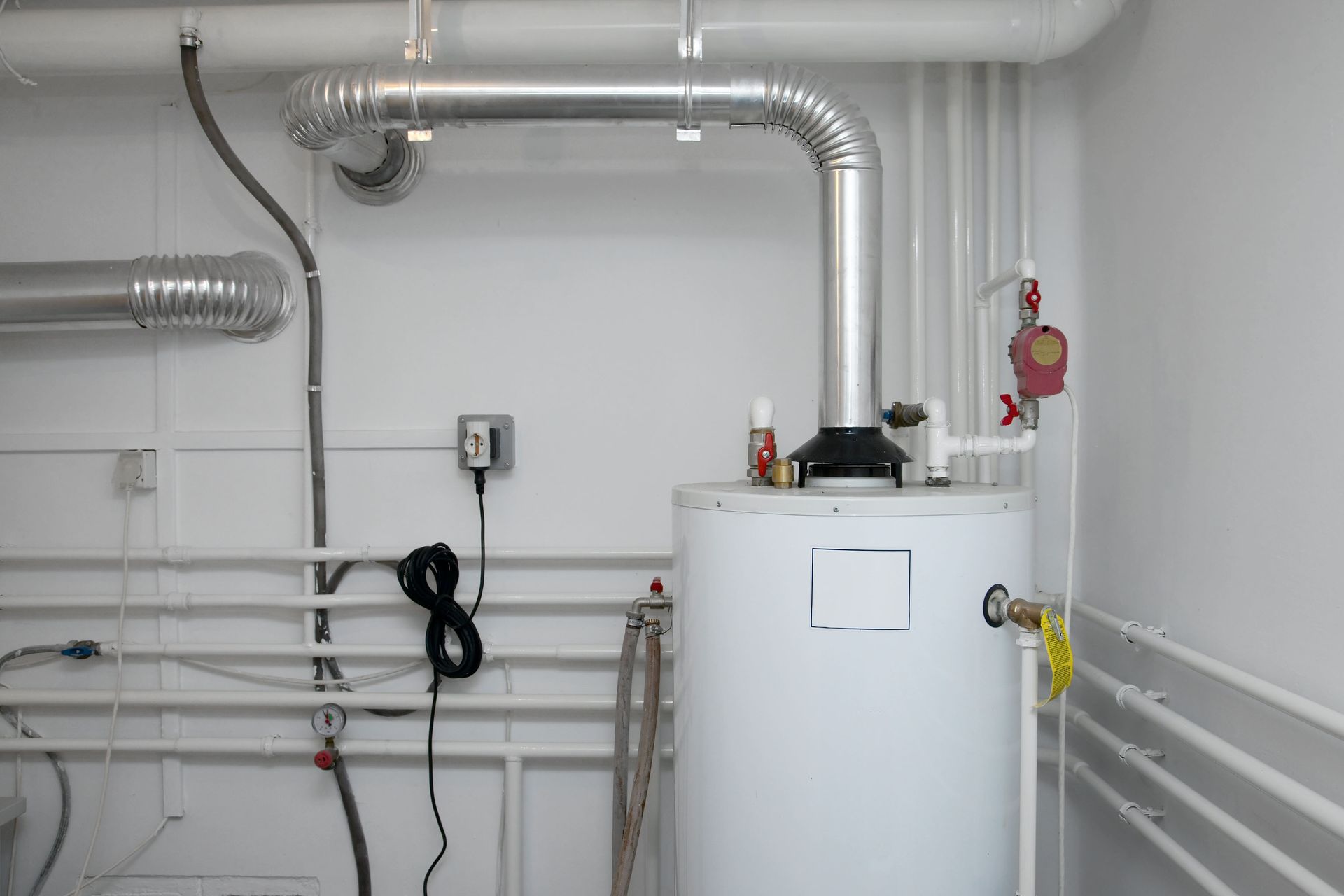
Most forced-air furnaces work through a combination of temperature controls, heating components, and a blower. When the thermostat calls for heat, a gas furnace ignites its burners or an electric furnace energizes its heating elements. The blower then moves air through the system and into the home's ductwork. Return vents carry indoor air back for another heating cycle.
These parts depend on one another. Even when the heating components work correctly, a struggling blower or restricted duct can leave rooms chilly. A malfunctioning thermostat can also cause the system to run too frequently or stop before the home reaches its selected temperature. Finding the source of a problem matters more than replacing parts based on guesswork.
How Thermostat Settings Affect Indoor Comfort
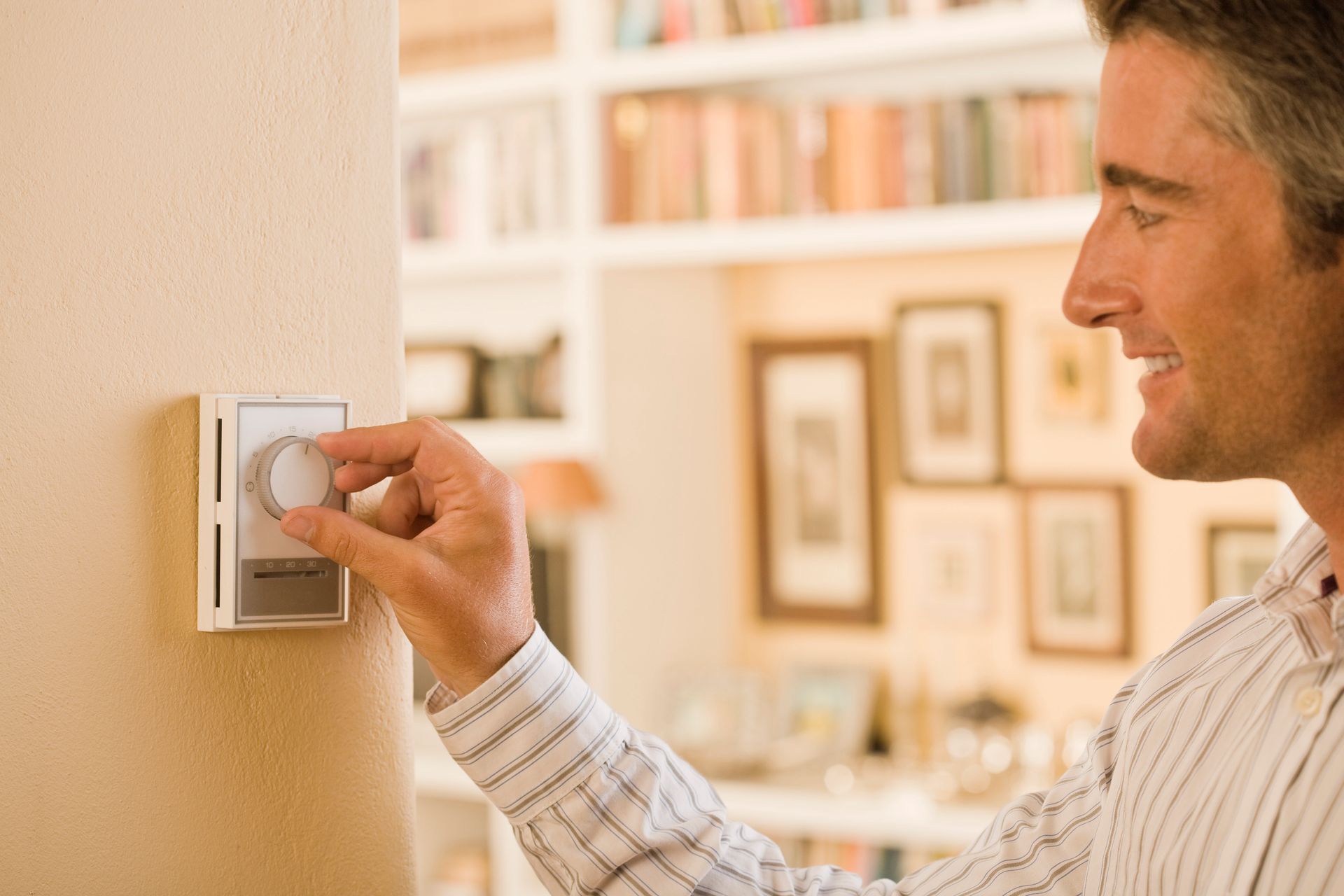
The thermostat measures temperature near its location and tells the furnace when to start or stop. If it is poorly positioned, incorrectly configured, or malfunctioning, the reading might not reflect conditions elsewhere in the house. A thermostat near a sunny window, for example, could register warmth while bedrooms remain cool.
According to Britannica, an upper temperature reference for domestic living spaces is 75°F. That figure is a reference point, not a universal setting for every household. Comfortable temperatures vary with clothing, activity, individual needs, and the home's insulation. A working thermostat should respond reliably to the temperature its occupants select. If a furnace repeatedly ignores that setting, furnace repair may be needed to identify faulty controls or another heating issue.
Warning Signs That Your Furnace Needs Attention
A furnace does not always stop working suddenly. Often, its performance changes first. Some rooms might remain colder than others, or the system may cycle on and off more often than usual. A longer heating cycle can also indicate airflow restrictions, thermostat problems, or equipment that is struggling to meet demand.
Listen for sounds that are new or persistent. Rattling can point to loose panels, while squealing or scraping might suggest a blower-related problem. A brief sound during startup can be normal, but unusual noises accompanied by weak airflow or unreliable heat deserve attention. Increasing utility bills without a clear change in weather or thermostat use may also warrant an inspection. Professional furnace repair starts by diagnosing the cause rather than assuming every symptom has the same solution.
How Preventive Maintenance Supports Reliable Heating
Routine maintenance gives a technician an opportunity to inspect equipment, test operating controls, and catch wear before it becomes a larger concern. During an appointment, the technician may examine the blower, evaluate ignition and combustion components where applicable, and verify that safety devices operate correctly. The necessary tasks depend on the furnace model and manufacturer's guidance.
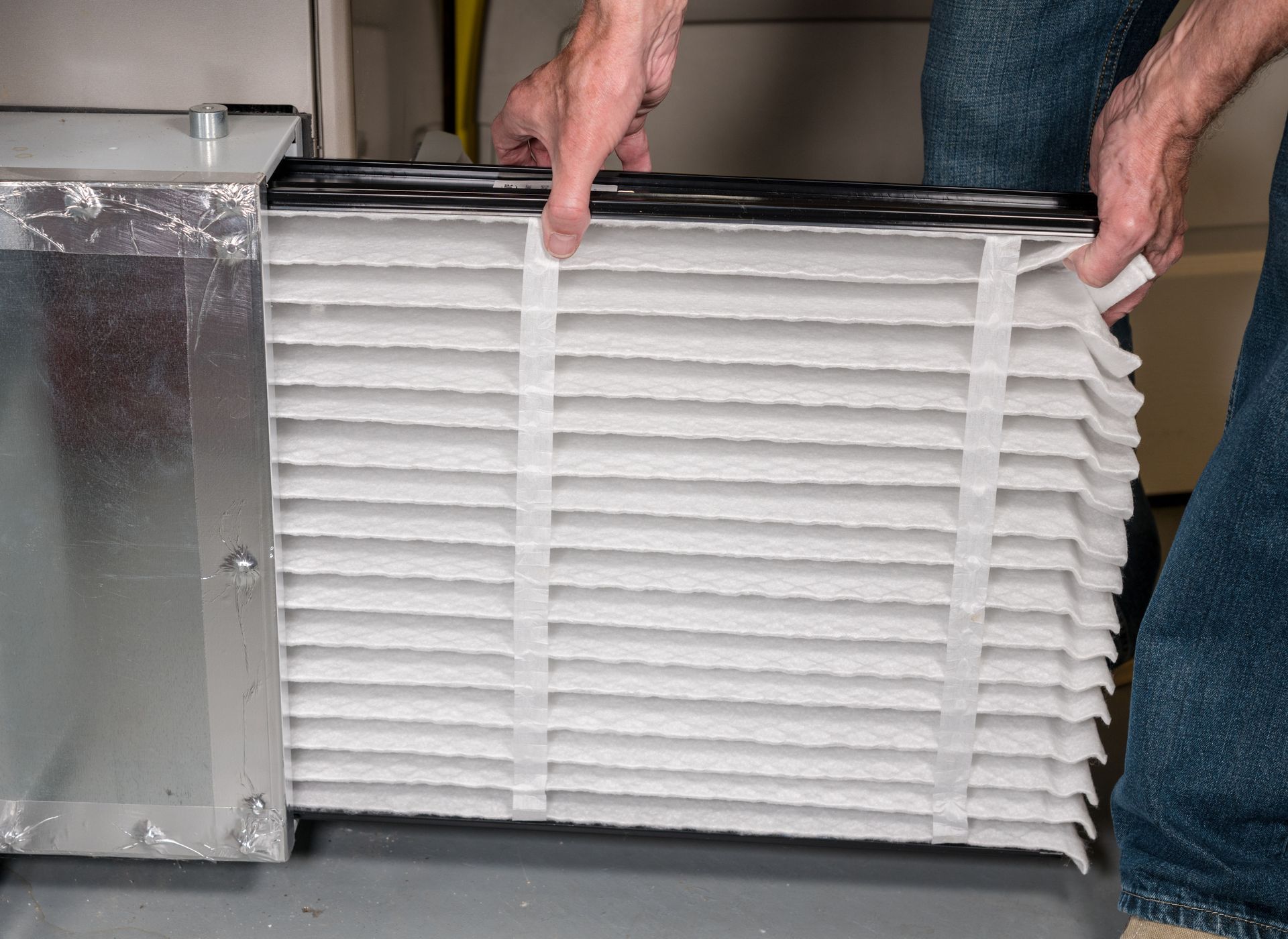
Homeowners can also support airflow by checking filters and replacing them as directed by the equipment manufacturer. A heavily clogged filter restricts the air moving through the system, potentially increasing operating temperatures and triggering protective shutdowns. Keep supply registers and return grilles unobstructed, and avoid storing items against the furnace. Maintenance cannot prevent every breakdown, but it can reveal developing problems and help the system operate as intended.
Why Uneven Heating Can Point to Airflow Problems
Cold spots do not always mean the furnace lacks heating capacity. Furniture blocking a register, closed vents, duct leaks, or inadequate insulation can change how warmth reaches individual rooms. A dirty filter or faulty blower can further reduce circulation, leaving certain spaces uncomfortable even while the thermostat reports the target temperature.
Start by checking accessible vents and confirming that doors or furnishings are not restricting airflow. Compare rooms at similar times of day, and note whether the problem appears only during particularly cold weather. These observations can help a technician distinguish between distribution problems and mechanical failures. If airflow remains weak or temperatures continue to fluctuate, furnace repair and a broader HVAC assessment can identify the next appropriate step.
How Proper Operation Can Limit Wasted Energy
An inefficient heating cycle can increase energy use without improving comfort. For example, a system that repeatedly starts and stops may have an issue with thermostat controls, airflow, or sizing. Similarly, dirty components can interfere with heat transfer or force a blower to work under unfavorable conditions. The exact effect on utility bills depends on the equipment and the underlying problem.
Thermostat scheduling can help manage heating when household routines change, provided the schedule meets everyone's comfort and health needs. Sealing obvious air leaks and maintaining insulation can also reduce unnecessary heat loss. These improvements complement furnace repair rather than replacing it. When a mechanical fault is present, correcting that fault is the priority; lowering a thermostat setting will not fix broken components.
When Furnace Safety Calls for Professional Help
Fuel-burning furnaces require particular attention because combustion problems can create dangerous conditions. A damaged heat exchanger, blocked vent, or malfunctioning burner can interfere with proper operation and, in some circumstances, contribute to carbon monoxide exposure. Carbon monoxide cannot be reliably detected by smell, so households should have properly installed, working carbon monoxide alarms and follow their maintenance instructions.
If a carbon monoxide alarm sounds, leave the building immediately, call emergency services from outside, and do not return until authorities say it is safe. If you smell gas, leave without operating switches or appliances and contact the gas utility or emergency responders from a safe location. These situations require immediate safety action, not ordinary troubleshooting. For nonemergency concerns, qualified furnace repair technicians can inspect combustion, ventilation, and protective controls without exposing homeowners to unnecessary risks.
What Happens During a Professional Repair Visit
A good service visit begins with questions about the symptoms: when they started, whether they occur consistently, and how the system behaves when heat is requested. A technician may then test the thermostat, inspect electrical connections, check airflow, and examine heating components. On fuel-burning systems, appropriate combustion and venting checks can help assess safe operation.
After identifying the problem, the technician should explain the recommended work and whether any additional concerns were discovered. Sometimes a small component replacement solves the immediate issue. In other cases, repeated failures or extensive damage make it worth discussing the equipment's condition and replacement options. Clear findings help homeowners understand the choices rather than feeling pressured into a repair without an explanation.
Keeping Your Home Comfortable Through the Heating Season
Reliable heating comes from a combination of sensible thermostat use, clear airflow paths, regular inspections, and attention to changes in performance. Checking a filter is a reasonable homeowner task; handling burners, wiring, gas connections, and internal safety devices belongs with trained professionals. Taking problems seriously does not mean every unusual sound requires major work, but it does mean avoiding repeated operation when safety is uncertain.
Level Green Plumbing & Heating, LLC provides heating maintenance and
furnace repair services for homeowners in Westmoreland and Allegheny Counties, Pennsylvania. If your system heats unevenly, makes unfamiliar noises, or struggles to maintain the temperature you select, contact the company to arrange an evaluation before the next stretch of cold weather.