July 17, 2026
As winter approaches, the need for a well-functioning furnace becomes paramount to maintaining warmth and comfort in your home. The focus of this detailed guide is to empower homeowners with the knowledge necessary to prepare their furnace systems effectively. Addressing maintenance and repair needs proactively ensures not only coziness but also safety and efficiency, preventing last-minute emergencies during frigid temperatures.
Understanding Your Furnace: Types and Functions
Types of Furnaces: Gas, Electric, Oil
Furnace systems vary widely in terms of the fuel they use for operation. Gas furnaces are popular due to their efficiency and lower operational costs, relying on natural gas to generate heat. Electric furnaces use electricity to heat elements, making them more straightforward but potentially more expensive to run. Oil furnaces, meanwhile, utilize oil stored in a tank and are often found in regions without natural gas supply. Each type bears its pros and cons, influencing the choice based on regional energy costs and availability.
Understanding the various furnace types is crucial for selecting the right system for your home. While gas furnaces are prevalent in urban settings with easy access to pipelines, electric furnaces may suit rural locations with reliable electricity yet no gas infrastructure. Oil furnaces serve as an excellent alternative where electricity and gas are scarce or costly. Matching the furnace type to regional characteristics can optimize efficiency and reduce costs. Ultimately, the energy source greatly impacts carbon footprint and environmental considerations.
Modern furnace systems, regardless of type, boast advancements in technology for improved functionality. According to the US Department of Energy, these systems range from 80% to 98.5% AFUE (Annual Fuel Utilization Efficiency), drastically slashing emissions and heating costs. This improvement reflects the industry’s focus on sustainability and energy conservation. Choosing high-efficiency models can significantly cut utility expenses while contributing to environmental protection. Future smart technologies may further enhance furnace operations across all categories.
Key Components of a Furnace System
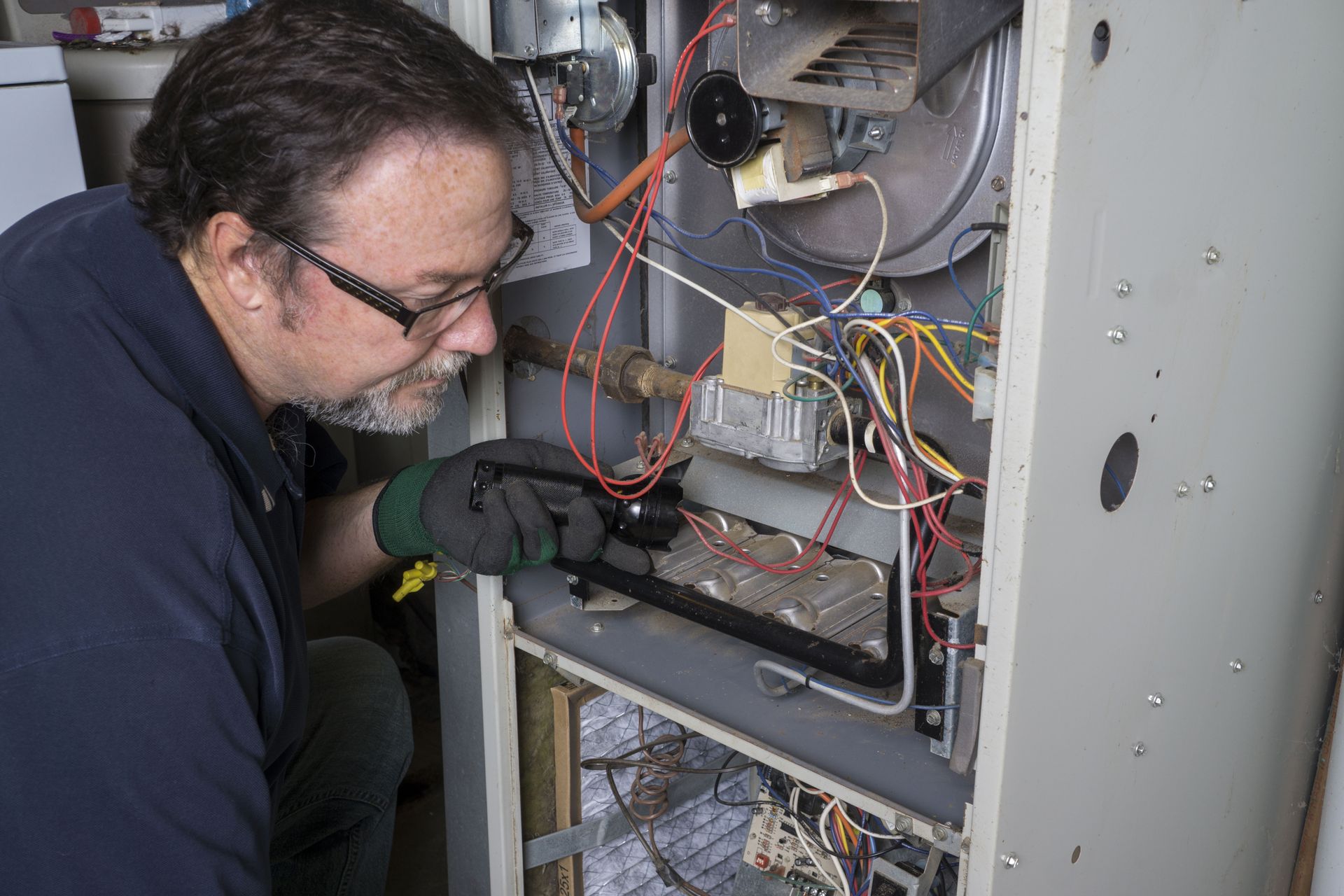
A furnace system comprises several critical components that work together to provide heating. The heat exchanger is a vital element, transferring heat from combustion to the air distributed throughout the home. The blower motor circulates the warm air via ductwork, ensuring even temperature distribution. Lastly, the thermostat acts as the control center, regulating when the furnace activates based on temperature settings. Each part must function correctly to ensure optimal performance and energy efficiency.
Beyond these main components, other parts like ignition, capacitors, and flue systems also play significant roles. Ignition starts the combustion process, while capacitors provide the necessary power surge to start the blower motor. The flue system vents gases safely outside, crucial for maintaining indoor air quality. Monitoring the condition and operation of each component is key to preventing malfunctions. Regular inspections and replacements when needed help avoid breakdowns during the demanding winter season.
Routine maintenance checks provide an opportunity to keep all components in top shape. Technicians often inspect heat exchangers for cracks, clean blower motors, and ensure the flue is unobstructed. These preventive measures can extend the lifespan of equipment and maintain energy efficiency. When components work harmoniously, the furnace system operates smoothly, ensuring consistent warmth across the household. Investing time and resources in maintaining components proves crucial to furnace reliability.
How a Furnace Operates
Understanding the operating mechanism of a furnace helps in recognizing potential problems early. The process begins with the thermostat detecting a drop in temperature and signaling the furnace to activate. This signal triggers the ignition to start combustion, heating the air inside the heat exchanger. The blower then circulates this warm air throughout the home via ductwork. Once the desired temperature is achieved, the thermostat shuts off the furnace, maintaining comfort efficiently.
This entire cycle hinges on precision and timely communication among components. A well-calibrated thermostat ensures the furnace operates only when necessary, conserving energy. The blower speed often varies to match heating needs without causing drafts or excessive noise. This harmonious operation relies on regular maintenance to preempt issues like faulty sensors or blower inefficiencies. Modern systems incorporate advanced technology to optimize these processes further, adding reliability and convenience.
The seamless operation of a furnace is the result of carefully engineered systems designed for maximum efficiency and safety. By constantly monitoring temperature fluctuations, contemporary furnaces adapt to varying conditions without user intervention. Automatic shutdown features provide a fail-safe against overheating or potential gas leaks. Understanding these operations helps homeowners better manage their systems and anticipate when professional servicing may be needed. As technology improves, furnace mechanisms will continue evolving to offer even greater efficiency and ease of use.
Differences in Efficiency Ratings
Efficiency ratings play a critical role in determining the operational cost and environmental impact of a furnace. The AFUE rating indicates the percentage of fuel converted into usable heat, with higher ratings signifying more efficient systems. Understanding these ratings enables homeowners to compare furnace models accurately, making informed purchase decisions. For instance, a furnace with 98.5% AFUE is nearly fully efficient, minimizing waste and reducing utility expenses. They reflect ongoing efforts to further warmth without unnecessary energy consumption.
Furnaces on the higher end of efficiency ratings usually require larger initial investments. However, the savings generated over time often outweigh the upfront costs, particularly in regions with harsh winters. The environmental benefits, such as reduced emissions, complement financial considerations, offering a dual advantage. Investing in efficient systems aligns with both ecological consciousness and long-term cost-effectiveness. This approach ensures that homes are not only warm but also sustainable.
The benefits of high-efficiency systems extend to entire communities through reduced demand on power grids and fossil fuels. Programs promoting energy-efficient upgrades highlight these advantages by offering incentives. Homeowners should evaluate such programs alongside furnace efficiency when upgrading. Balancing the fiscal and ecological aspects can drive a broader adoption of high-efficiency systems. With clear insights into efficiency ratings, homeowners make choices benefiting both wallet and planet.
Signs Your Furnace Needs Attention
Recognizing early signs of furnace trouble can save homeowners time and money. Symptoms like uneven heating patterns often indicate issues requiring inspection. Unexpected noises, such as rattling or banging, suggest mechanical problems needing attention. Persistent pilot light or ignition issues necessitate professional assessment to avoid further complications. Addressing these warning signs improves furnace longevity and performance, promoting uninterrupted warmth.
Monitoring system behavior is key to catching potential problems before they exacerbate. Increased utility bills might signal decreased efficiency, prompting a detailed evaluation. Frequent cycling or short operation periods hint at thermostat or sensor malfunctions. Discoloration or a bad odor near exhaust systems points to blockages or leaks, necessitating immediate action. Timely recognition and resolution of these symptoms prevent costly repairs and extend system life.
Routine maintenance checks play a significant role in identifying these indicators early on. Professionals often spot potential concerns unnoticed by homeowners, offering preemptive solutions. Regularly scheduled inspections and immediate action on detected issues prevent complete system failures. These efforts ensure a reliable, efficient furnace, delivering comfort through the coldest months. Equipping homeowners with knowledge of these signs underpins proactive furnace care.
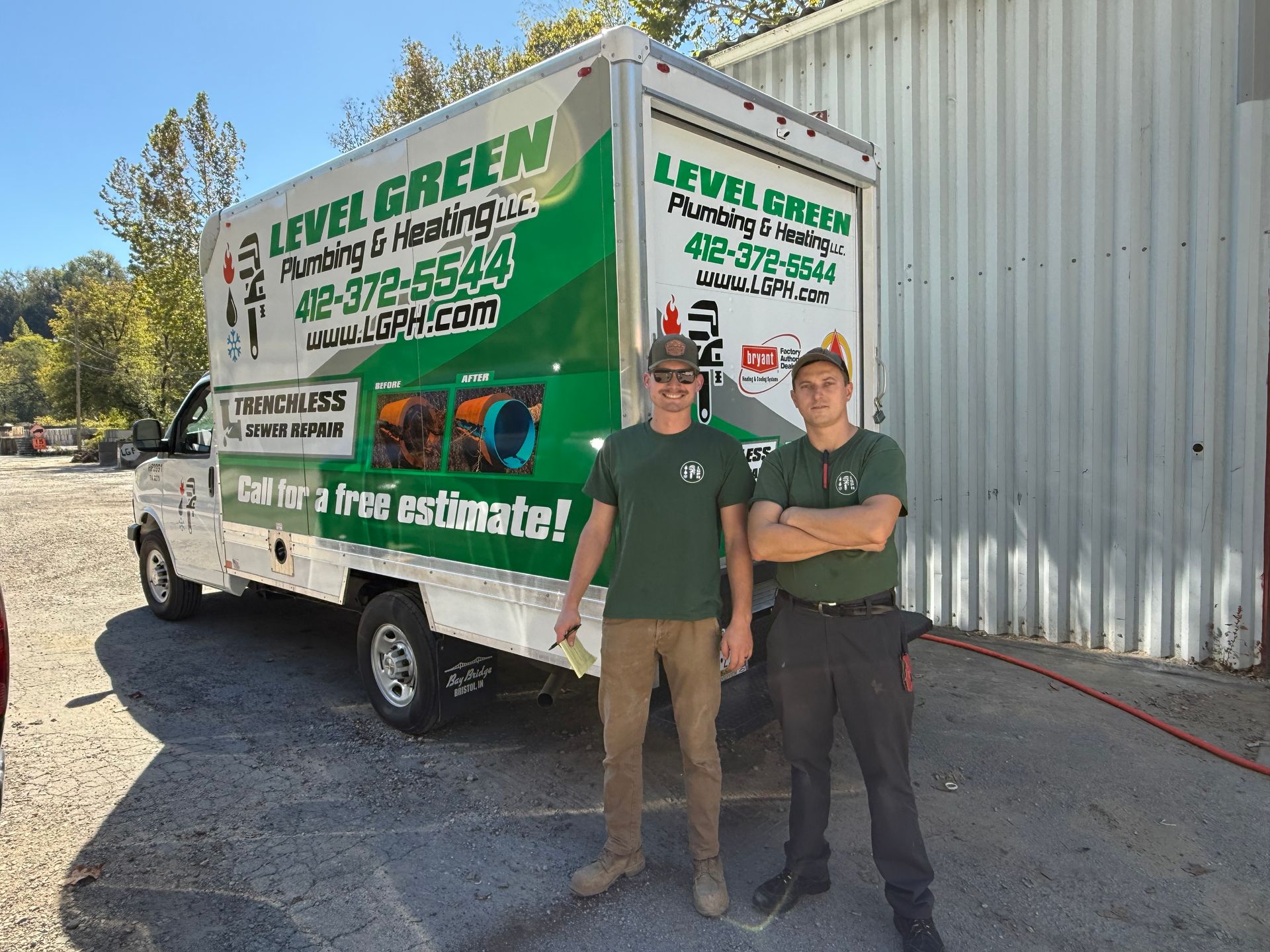
Regular filter changes are vital to maintaining furnace efficiency and air quality. Filters prevent dust and debris from clogging essential components, ensuring unobstructed airflow. When filters become dirty, air circulation decreases, straining the system and increasing energy consumption. Changing filters every 1 to 3 months reduces stress on the furnace, prolonging its lifespan. This simple task is often the most effective defense against unexpected failures and high energy bills. Be sure to reach out to Level Green Plumbing & Heating, LLC today to learn more about our professional furnace repair services!